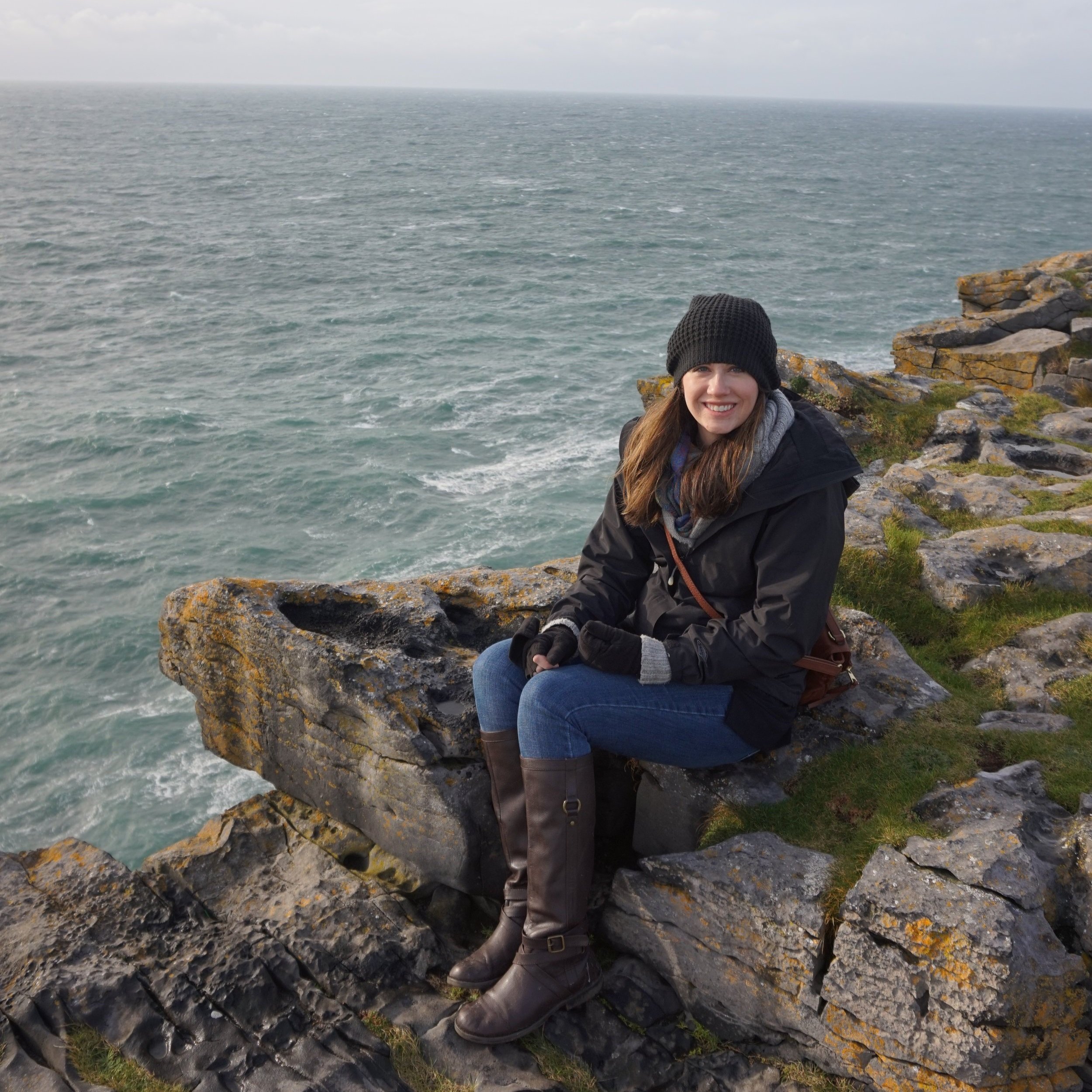
A Guide to Wild, Wonderful Connemara, Ireland: What to See, Do, and Eat
Exploring the Connemara region in Ireland means seeing incredible coastal views, poking around in old castles, hiking in a national park, and taking a peek back into western Ireland’s history.
While this part of the country isn’t as well known as places like the Cliffs of Moher or the Ring of Kerry, it is an incredible addition to your vacation.
This largely unspoiled part of Ireland is perfect for a day trip from Galway or as a multi-day road trip in its own right.
In the guide below, you’ll find everything you need to plan your trip to Connemara, including the places you can’t miss, a suggested road trip itinerary, the best tours (if you want to let someone else do the driving!), and where to sleep and end.
Let’s go explore wild and wonderful Connemara!
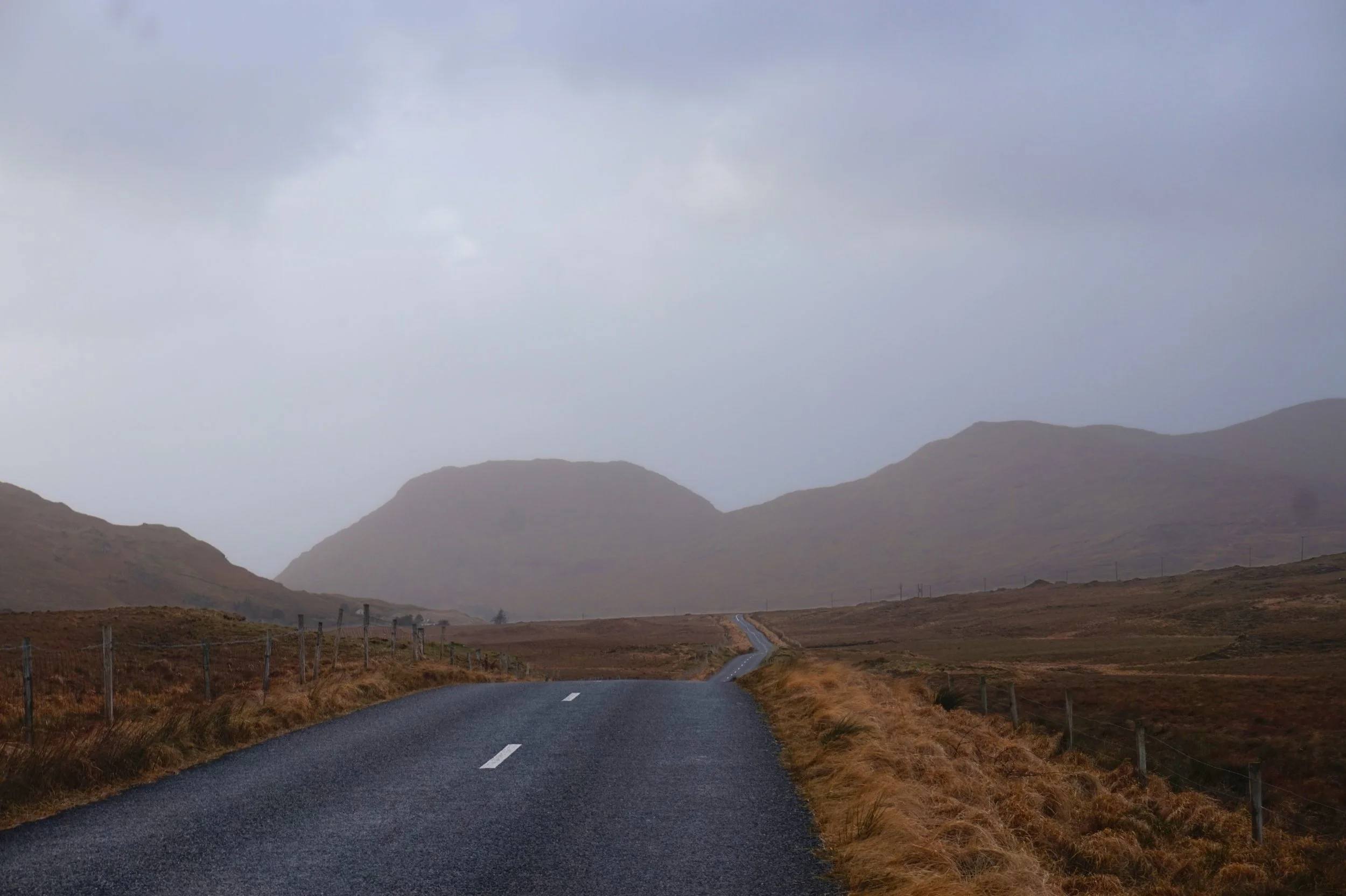
A winding road into the fog in Connemara
This post contains affiliates. If you purchase through the links below, I will receive a commission at no charge to you.
Where is Connemara, Ireland?
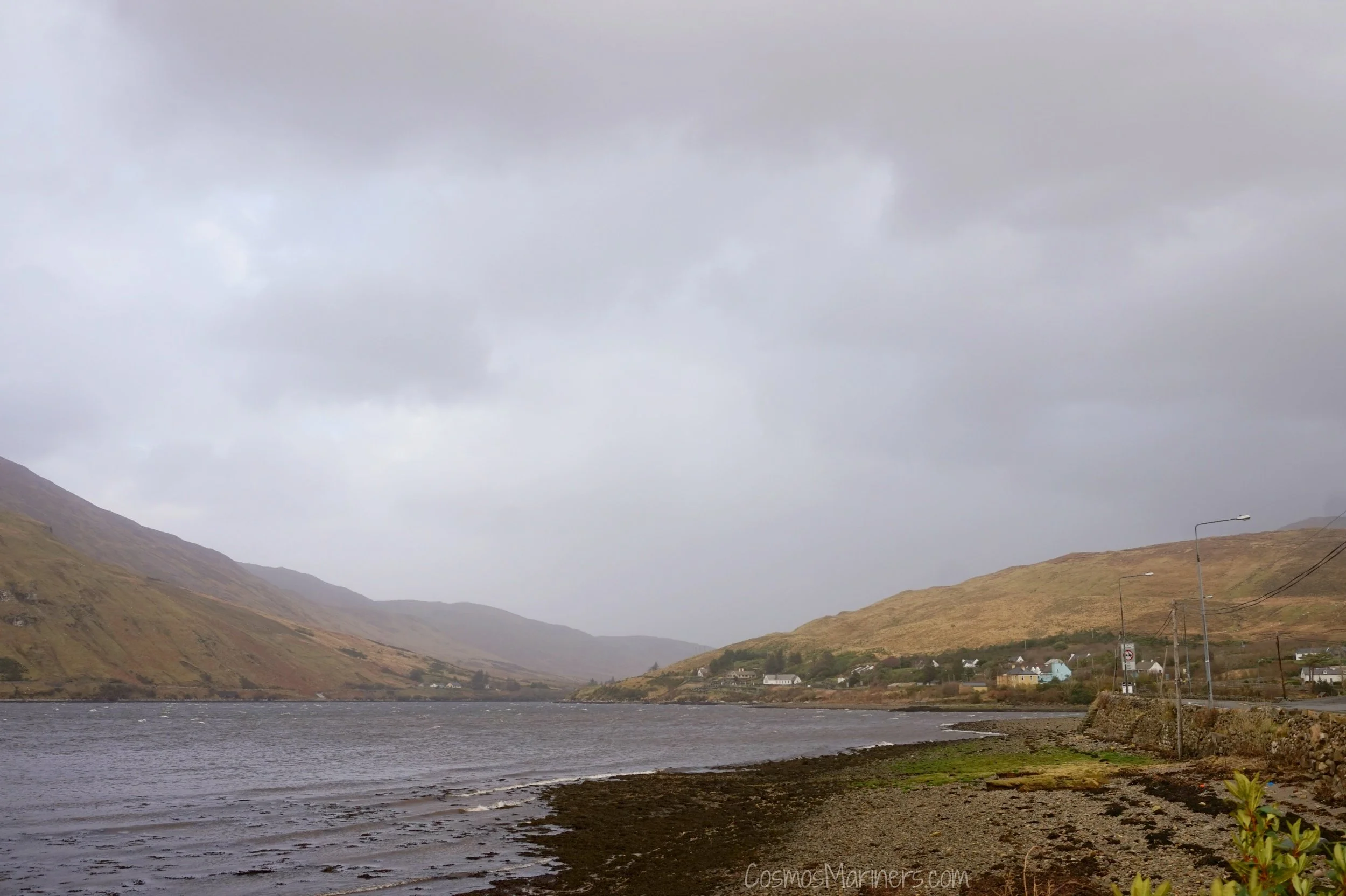
Much of Connemara is rural with tiny, cute villages interspersed
Most broadly, Connemara is a region in the western part of Ireland in County Galway.
It’s located on a large peninsula west and northwest of Galway, Ireland, which makes this area very convenient to visit if you’re already planning a trip to that city.
The Connemara region isn’t something you’ll find on most maps, though, as it doesn’t follow existing city or county lines perfectly.
More specifically, Connemara is the westernmost half of the peninsula, roughly everything west of the towns of Ardmore, Shannakeela, Derrynacleigh, and Glassilaun, as well as Kilkieran Bay.
This map is very helpful to understanding where the more traditional borders of the Connemara region fall:
The name “Connemara” is an Anglicization of “Conmhaicne Mara,” a Celtic tribe that lived in this specific region pre-Roman invasion. The “Mara” portion indicates that this portion of the Conmhaicne tribe settled by the sea.
The Conmhaicne Mara was just one of the Conmhaicne tribes, whose history is part archeologically-sound and part rooted in myth. Learn more about this fascinating part of Irish history and myth here.
Today, the Celtic roots of this location still run deep, as Gaelic is spoken at a higher rate here than in any other part of Ireland. The rural nature of this region means that people have been largely left alone over the centuries, and so, more of that authentically Irish culture and language has been retained.
NOTE: While the Aran Islands aren’t part of Connemara, they are geographically very close. The residents of the Aran Islands speak both English and Gaelic, which makes for a fun experience. I highly recommend adding on a day or two in Inishmore, the largest of the 3 Aran Islands, if you have time!
Explore more of Ireland with these posts:
Best Things to See and Do in Connemara
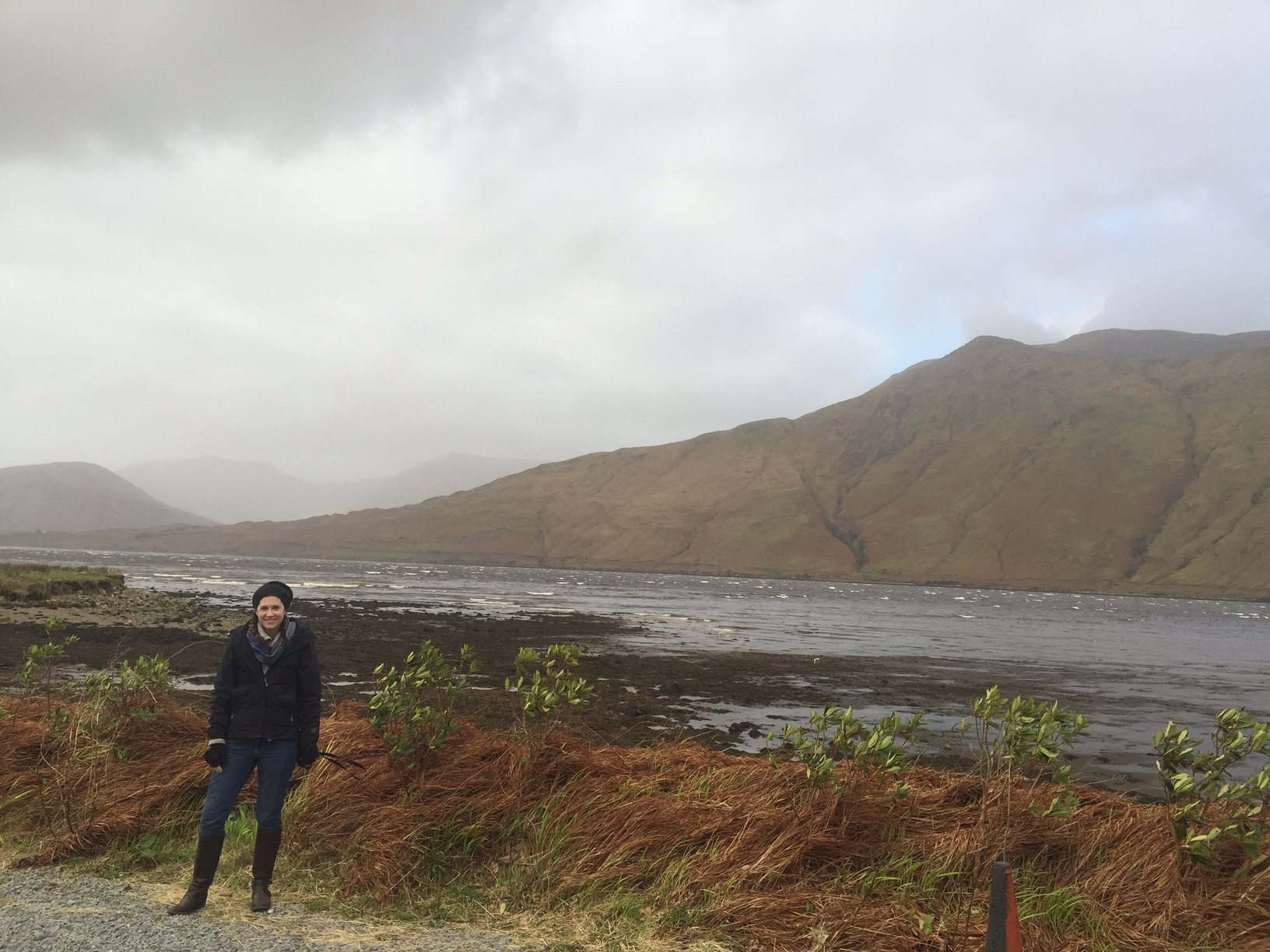
There’s rarely a bad view anywhere in the Connemara region!
If you are a planner and want specific things to see and do in the Connemara region, I have all of that information for you below.
But, if you’re willing to let go of the reins a little while you’re here, one of the best things to do in Connemara is just wander.
This is how we approached our first time in Connemara, and it was incredible. We just set out from Galway in our rental car, and drove until we saw something that looked interesting.
This, by the way, is not how I usually operate as I love a good itinerary spreadsheet and trip research, but this part of Ireland just made me want to throw all of that to the wind and truly explore.
For much of that first day, we were the only car for miles, which made for some spectacular pictures!
We were there in January, so we did have to battle the cold and wind, but that also kept away many of the other tourists. It does get busier during the high season, so that’s one reason to pile on the coats and go during the colder months.
Here’s everything you need to see while you’re in Connemara:
Connemara National Park
If you're visiting Connemara during the warmer months, I'd definitely recommend lingering in the Connemara National Park, where you can hike, see if you can spot the wild Connemara ponies, and have a picnic.
The national park is at the heart of the Connemara region, so if you’re very short on time and want a quick overview of what this part of Ireland looks like, head straight here.
The main information center is located off of the N59 near Letterfrack. Be sure to stop here before heading further into the park, as there is a gift shop, cafe, and interpretive materials about the area’s history, the wildlife, and plants.
From the visitors center, you can do the gorgeous Lower Diamond Hill Trail, which is an easy-moderate hike to one of the best views in the entire park. It’s a loop trail and is one of four trail in the entire park.
If you’re feeling more adventurous, you can also tackle the Upper Diamond Hill Trail, which, along with the Lower Diamond Hill Trail, forms a sort of a figure 8 for a longer hiking experience.
While Connemara National Park is much smaller than what you’re probably used to if you’ve visited the U.S. national parks, it makes up in spectacular scenery what it lacks in size.
Kylemore Abbey
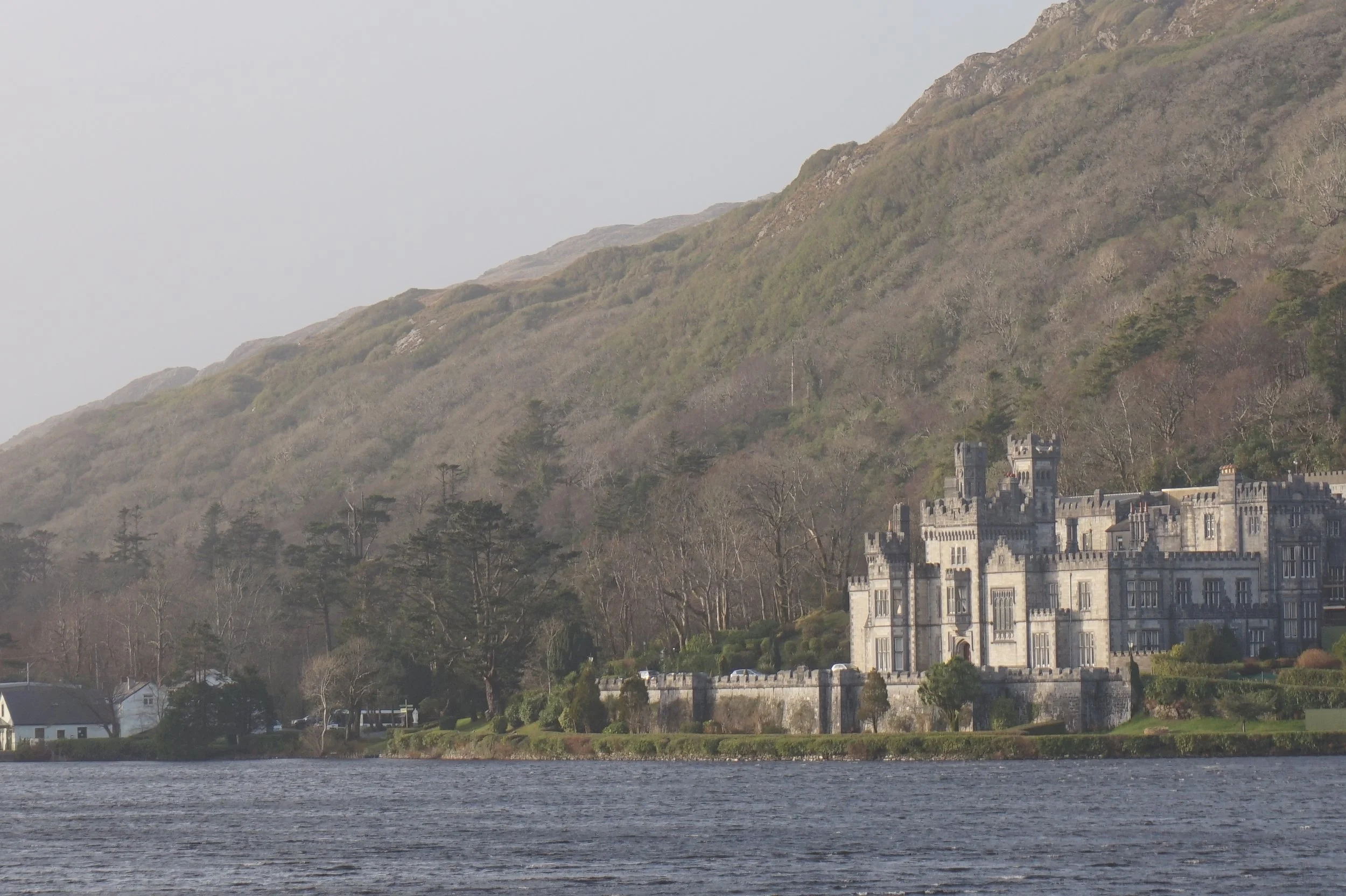
Kylemore Abbey on Pollacapall Lough
Just a few miles north of the national park is the beautiful Kylemore Abbey, which is one of the most photographed estates in Ireland.
Keep in mind that you need to arrive more than an hour before the posted closing time, or you will not be able to enter through the front gates.
We made the mistake once of trying to pack in a quick trip only 45 minutes before closing. However, the front gates were firmly padlocked to keep new visitors away, so they’re not kidding when they say the last entrance is one hour before closing.
So, what does one do when one cannot enter through the front gates? You park on the side of the N59, which runs parallel to the Abbey, trek through some boggy peat, and take pictures across the lake, of course!
I’m happy to note that if you do show up during the posted hours, there’s plenty to do, and I now understand why they don’t want visitors to rush through in just a few minutes.
While Kylemore Abbey looks as if it was always here on the shores of Pollacappell Lough, it was actually built in the late 1860s as a family home and on the location of a former hunting lodge.
By the early 1920s, the castle had been purchased by Benedictine nuns, who converted the space into their community home and a school. Interestingly, the last students getting a primary education here graduated in 2010, and today, the school portion of the abbey serves as a study abroad location for the University of Notre Dame.
Because the property is still in use by the Benedictine nuns, not all of it is open to visitors.
But you can see multiple rooms in the main house, tour the beautiful neo-gothic church, and explore the gardens.
The Peat Fields
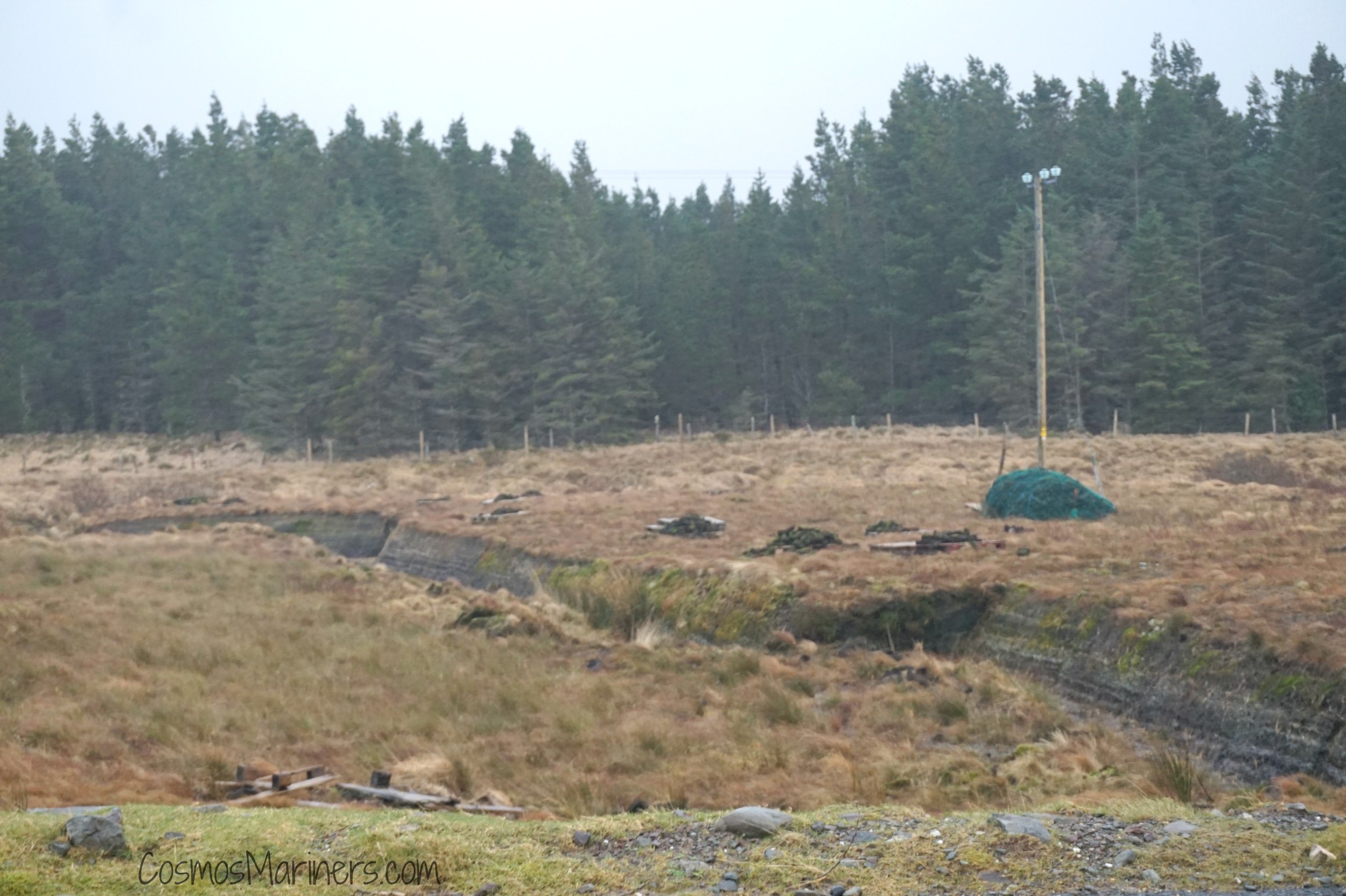
A peat field with a portion of peat exposed
One of the more interesting things that you’ll see as you drive around Connemara is the wide peat fields.
If you're not familiar with peat, it's one of the main sources of fuel for the country and is cut from the ground in blocks. The peat is made up of layers and layers of compressed sphagnum moss that has been deprived of oxygen as it is crushed under subsequent layers.
When the peat is cut and dried, the result is a lightweight, flammable brick that burns slowly.
Before visiting Ireland, I knew that peat had been a fuel source many years ago, but I assumed that the practice of digging, cutting, and drying peat had gone the way of the typewriter now that natural gas and electricity was so widely available.
When we'd go into a building or a pub and smell the sweet smell of peat burning, I felt as if we were getting a glimpse into what the Irish experience was several hundred years ago, since the process of digging and burning has remained nearly unchanged.
I knew about peat mostly from the Irish literature that I've read, so when we were driving around these fields, I kept hearing the last part of the Seamus Heaney poem, "Digging" in my head:
The cold smell of potato mould, the squelch and slap
Of soggy peat, the curt cuts of an edge
Through living roots awaken in my head.
But I've no spade to follow men like them.
Between my finger and my thumb
The squat pen rests.
I'll dig with it.
Another fun fact (morbid fact?) about the peat bogs is that mummified remains of Iron Age people have been dug up in them.
The bodies are so well preserved that you can see their fingernails and the whorls on the pads of their fingers.
Several times, when farmers have discovered the bodies, they thought that they were finding modern murder victims!
If you want to learn more about the bog people of Ireland and Northern Europe, be sure to stop by the National Museum of Ireland: Archeology, which has an excellent bog bodies exhibit and is one of the best historic sites in Dublin.
Where to see peat bogs
You’ll pass many peat bogs throughout Connemara, but one of the most impressive, and most well preserved, is Roundstone Bog east of Ballinaboy, which is in the southern part of County Galway.
This sprawling bog is cut in two by Bog Road, or the L1105, that runs between Ballinaboy and Derradda West. Keep in mind that Bog Road is a perfect example of the tiny roads that crisscross rural Ireland, which are so narrow that it always amazes me when we pass another car and don’t sideswipe it.
Go slowly and enjoy the views.
Cleggan Cliffs
It’s hard to find a bad view along Ireland’s coast, but the Cleggan Cliffs are particular picturesque, thanks to rocky shore line, grassy cliffs, and water that looks aqua blue in the right light.
The cliffs aren’t quite as dramatic as what you’ll find on Inishmore or at the Cliffs of Moher, but what they lack in size, they make up in sheer Instagrammability.
There’s a small crescent beach here that’s usually not too crowded, making it an amazing place for a quick picnic or mid-day break.
Note that the beach is rocky (like many in the British Isles are), so you’ll want something more substantial to sit on than just a beach towel if you’ll be here a while.
If you want a flatter, sandier beach, Bundouglas Beach is on the same access road.
Killary Fjord
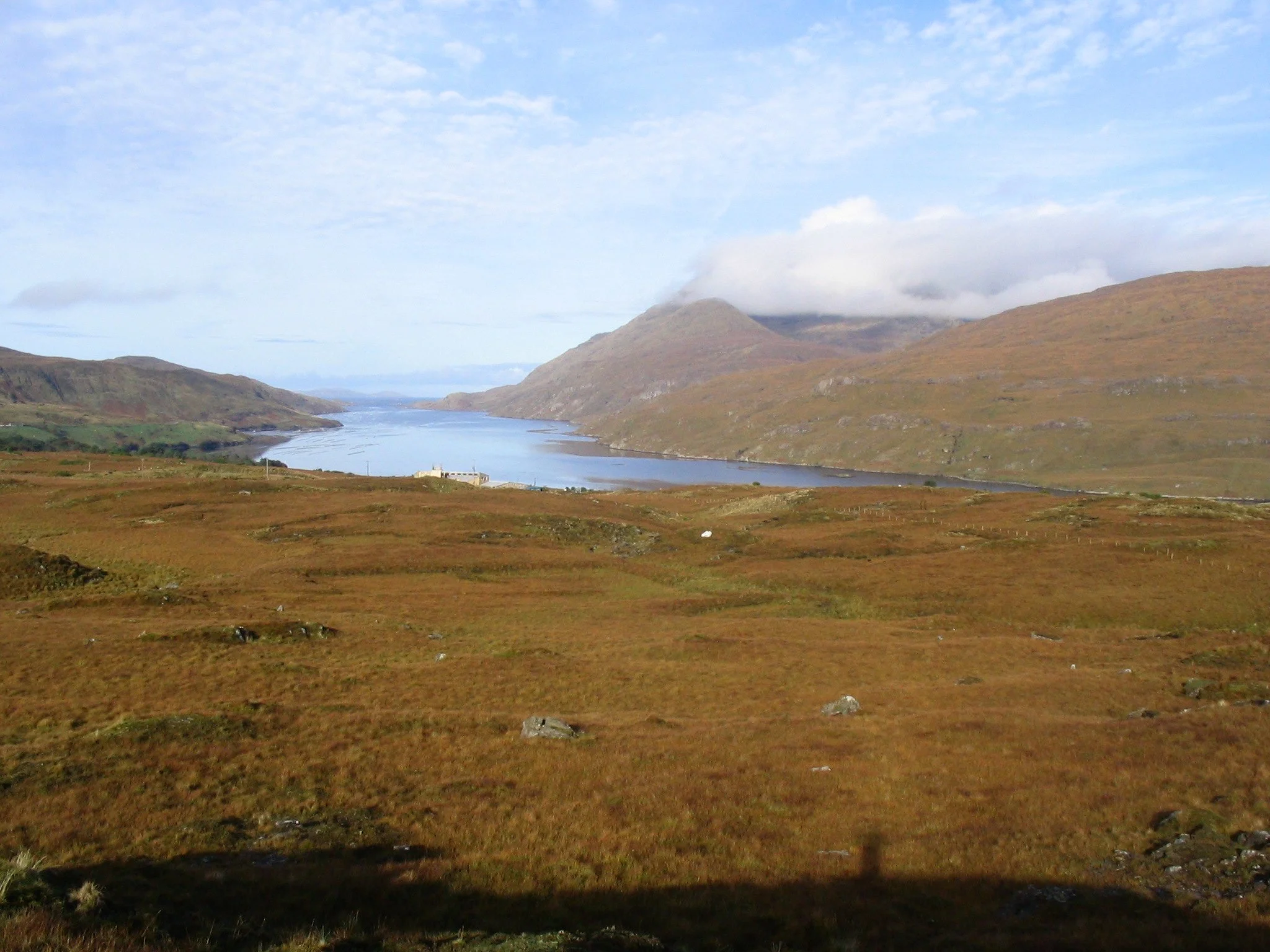
Killary Fjord on a sunny day | source
This beautiful inlet serves as part of the northern boundary to the Connemara region, and it’s a must do if you like wildlife watching.
You’ll find whales, sharks, otter, and seals here, along with a host of bird species like swans, puffins, ducks and plovers.
The narrow fjord has rolling hills on either side, making it one of the prettiest areas in the entirety of Connemara.
You can drive along the shores, or take a tour by boat, which is what I recommend. More details on the Killary Fjord tours below in the “Tours” section.
If you have a little extra time in this area, stop by the pretty Aasleagh Falls on the fjord’s eastern end.
Clifden Castle
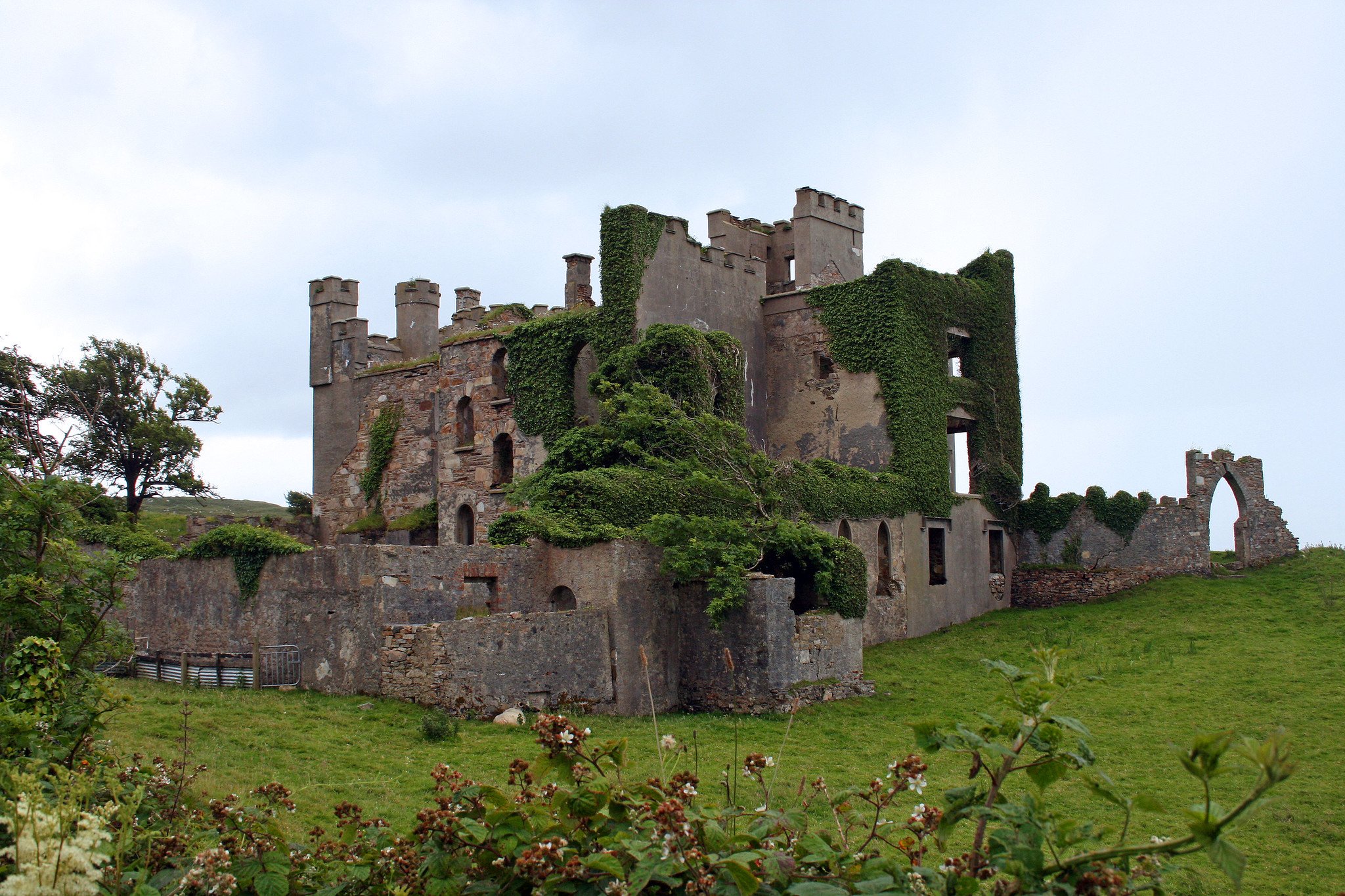
The exterior of the Clifden Castle ruins | source
Outside of the small town of Clifden near the eastern shores of Connamara sits the haunting Clifden Castle, which housed its only residents for less than 40 years.
When the family that built the castle, the D’Arcys, lost everything in the Potato Famine, they left this beautiful manor house to avoid paying for its upkeep.
The starving residents of the village then sold everything they could carry out of the castle to feed their families until all that was left was the castle’s exterior.
Today, it’s open to the public, and it’s a treat to walk through the silent doorways and quiet corridors. Given that the castle has been left to the elements for more than 150 years, it’s in surprisingly good shape, but always take caution when exploring old places.
There aren’t tours or infrastructure here, so bring a good pair of hiking boots (preferably ones that are waterproof).
Man’s Island Causeway
A fun little hike, the Man’s Island Causeway is an excellent way to get out of your car and explore this scenic area on foot.
If the water levels in the lake are low, you’ll be able to follow a stone path through a gate and across to the small island.
But if there’s been a lot of rain lately (and it’s Ireland, so when hasn’t there been a rain shower or two?!) you’ll definitely get soaked to the ankle as you follow the path from the road over to Pine Island.
There isn’t a handrail or anything to help steady yourself as you cross, so take extra precaution if you’re taking kids along with you. And be prepared to take a swim if someone loses their balance.
If you prefer to keep your feet dry, there’s a scenic viewpoint of Pine Island and the lake right off of the road with room for a couple of cars.
You can find the footpath and overview area on the N59 between Clifdon and Maam Cross.
Omey Island
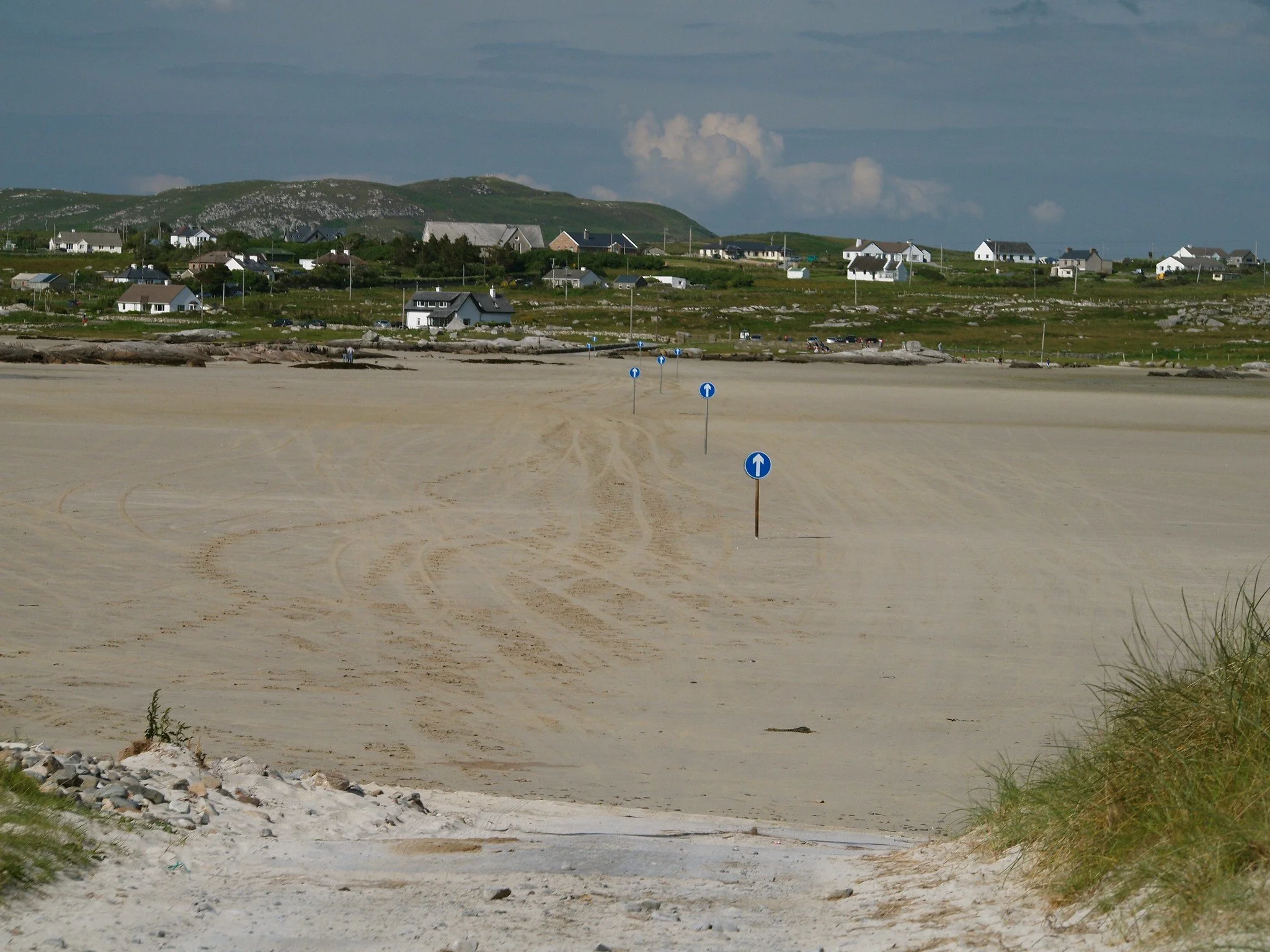
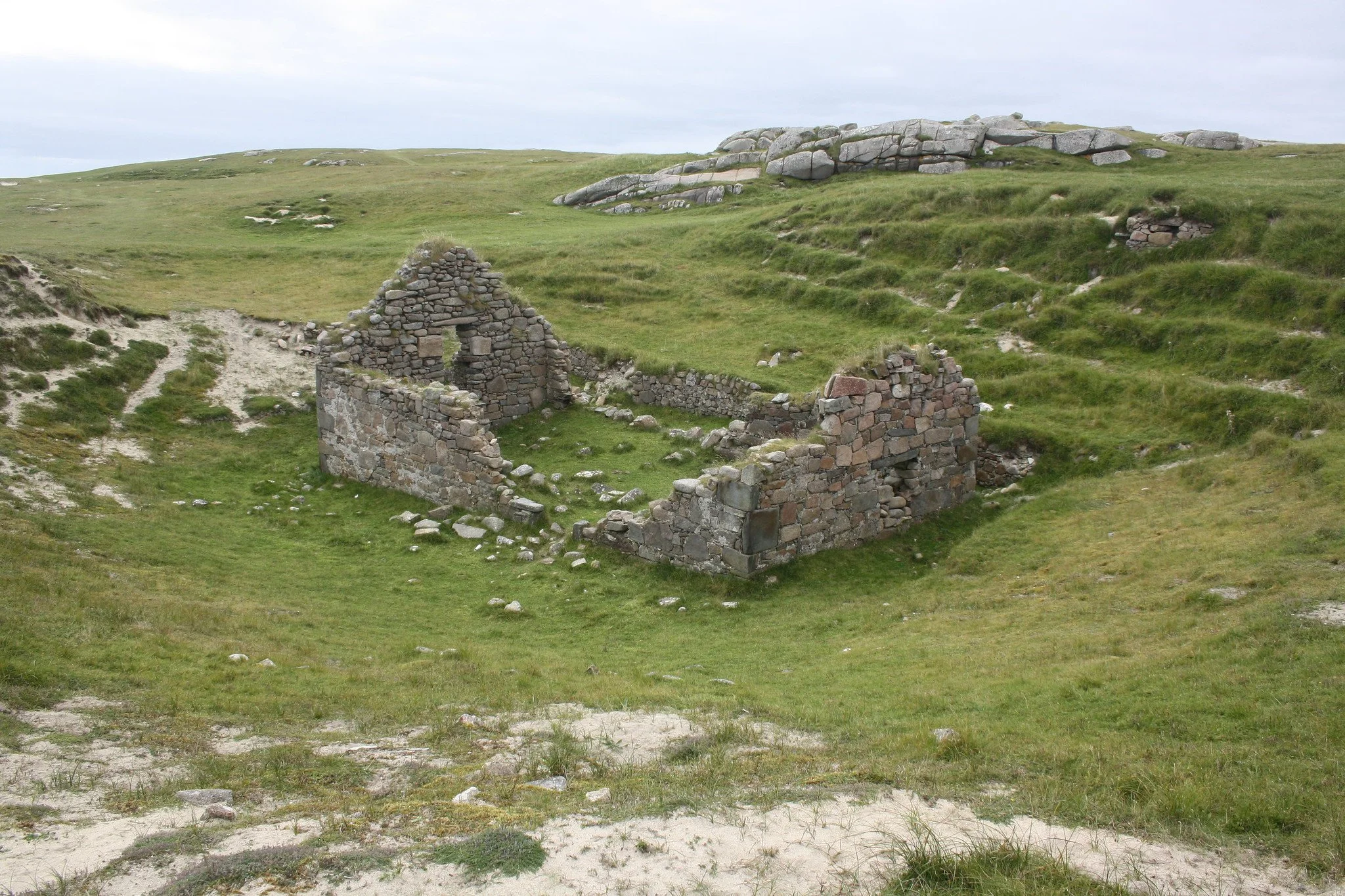
You need to go to Omey Island when you’re visiting Connemara because it’s the perfect combination of wild, Irish shoreline, adventurous hiking opportunity, and gorgeous ruins.
At low tide, you can actually walk across the wide, exposed sandy beach from the access road south of the tiny town of Claddaghduff over to Omey Island.
It’s also accessible by bike if you have one with you, or you can drive across the packed sand. I only recommend the latter in your rental car if you have one with 4 wheel drive and you have experience driving in sandy conditions.
Having a car or bike will help you see more of the island in the short time you have before the high tide comes.
Just walking the few roads on the island is worth the trouble of crossing the sand, but there’s also the ruins of an old church, a little beach, a small lake, and plenty of sweeping sea views.
NOTE: Really watch your time and know, to the minute, when high tide starts rising again, so you won’t be stuck on the island. There aren’t any permanent residents or hotels on the tiny island, which doesn’t make for a great overnight stay.
Lough Mask and Lough Corrib
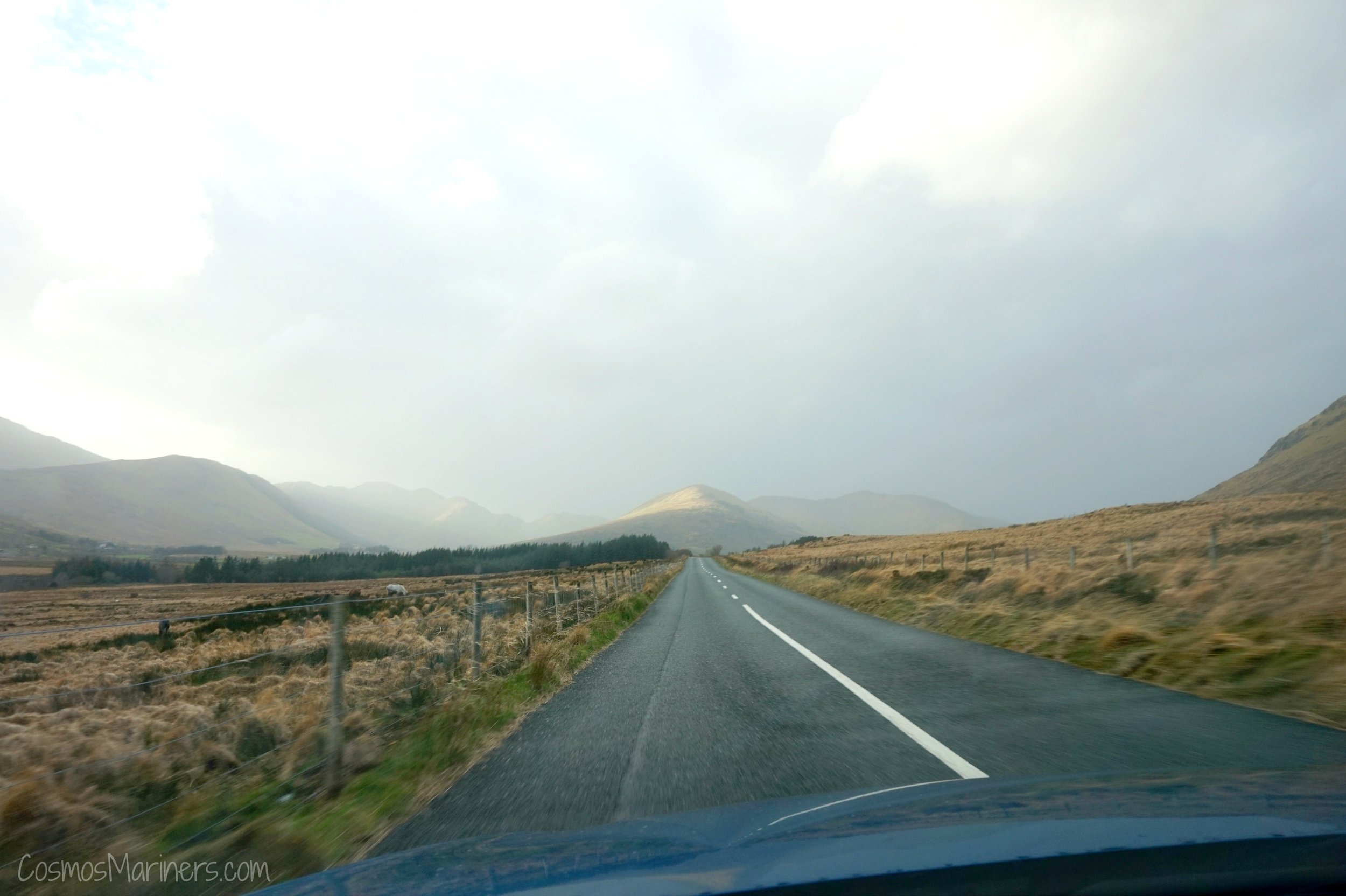
Driving in the area between Lough Mask and Lough Corrib
These are slightly east of the traditional Connemara region, but you’ll likely pass through or around them as you explore this area.
These lakes are the fourth and second largest in Ireland, and they offer plenty of hiking and outdoor recreation on their own.
If you’re interested in ruins, there are some great ones to see around here, so add in extra time to your itinerary if you want to poke around.
Here are some of the most fascinating:
Gleb Stone Circle: pre-Christian stone circle near Cong
Aughnanure Castle: 16th century ruins with climbable tower
The Guinness Tower: 19th century stone tower in the woods that’s also climbable
Glengowla Mines: 200-year-old abandoned silver and gold mines with tours
Annaghkeen Castle: picturesque stone castle ruins
Inishmaine Abbey: ruins of 8th century abbey with intricate stone carvings
NOTE: The area between the two lakes is also home to the cute village of Cong, which was the primary filming location for John Wayne’s 1952 film, The Quiet Man. Find specific The Quiet Man filming locations in and around Cong with my guide here!
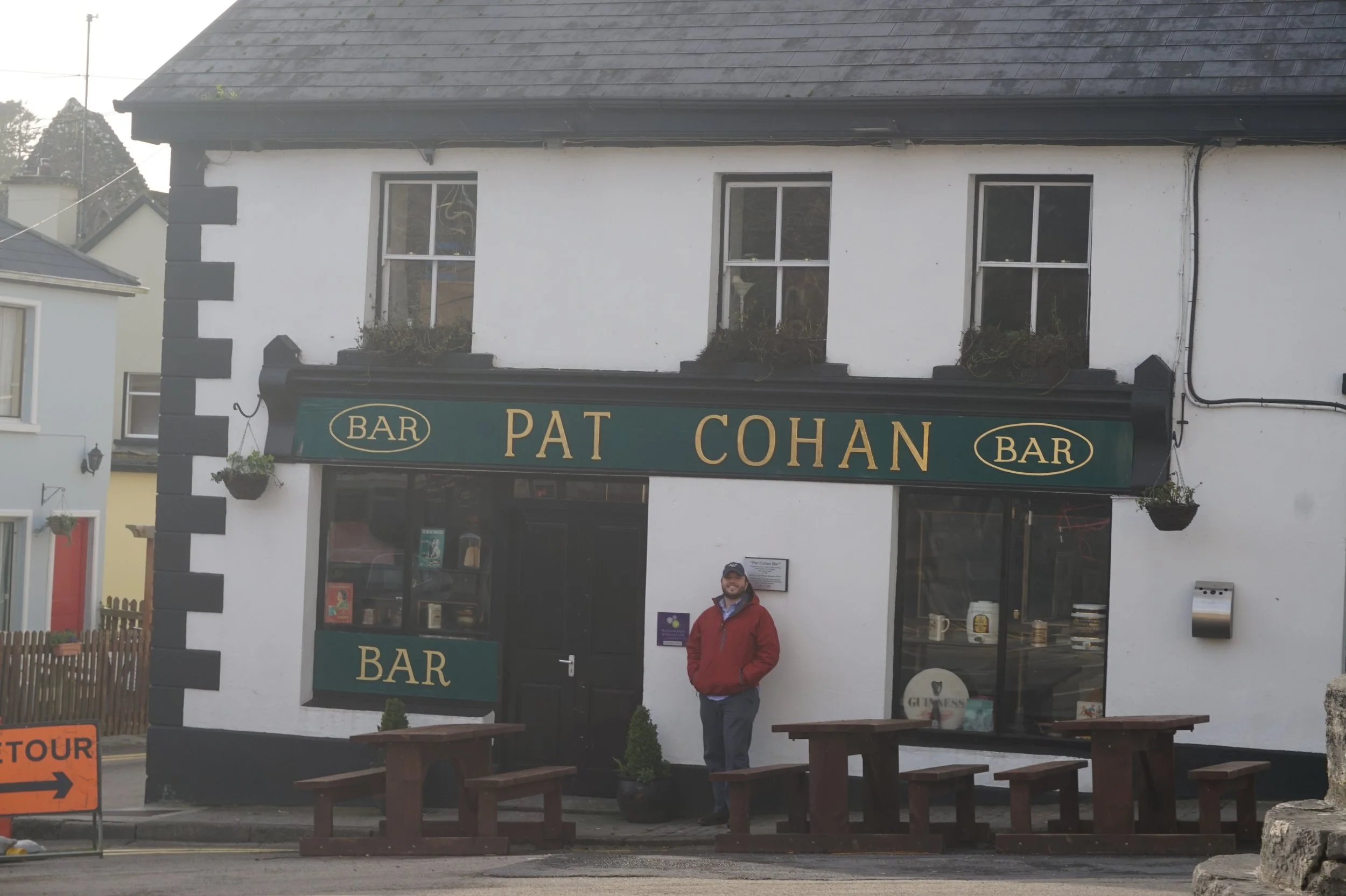
My husband in front of one of the filming locations for The Quiet Man in Cong.
Best Tours of the Connemara Region
While I love to explore on my own, a guided tour can sometimes be exactly what my itinerary needs.
Not only do tours give you a chance to let someone else lead the conversation for a bit, they’re also a great way to get knowledge from a local, so you can go beyond the guidebook recommendations.
Here are a few of the best Connemara tours:
Connemara and Cong Full Day Tour from Galway
This full day Connemara tour is perfect for first time visitors who want a taste of Connemara without getting too bogged down in the details.
You’ll hit the highlights of the region as you drive with your tour guide from Galway, stopping by Kylemore Abbey, the village of Cong, and Killary Fjord before heading back.
This tour does offer a full 2 hours to explore Kylemore Abbey, but only does a photo op at Killary Fjord, so you’ll want to make sure that strikes the right balance for what you want from your Connemara experience.
Overall, though, it’s a relatively inexpensive trip for a quick peek into this beautiful part of western Ireland.
Guided Connemara National Park Day Trip
Combine a couple of hours of hiking in beautiful Connemara National Park with short stops at 2 scenic villages and live commentary, and you have the makings of a perfect day.
This tour is perfect for visitors who want to do more than just see Connemara from the windows of your tour bus: you’ll get 2 hours of exploration time at the national park in between stops for shopping or grabbing a quick bite in Leenane and Spiddal before returning to Galway.
Pack your hiking shoes, a day pack, and your water bottle and get ready to have an adventure you’ll never forget.
Killary Fjord Guided Boat Tour
If you’re doing a self-guided driving tour with a rental car in Connemara, you’ll still want to stop for this guided boat tour of Killary Fjord.
The 90 minute tour will allow you to get out into the middle of fjord as you cruise around spotting wildlife, and it’s absolutely the best way to experience this beautiful area.
There’s seating next to the large windows inside, or you can stand outside on the balconies on a nice day. No matter where you are in the boat, you’ll be able to hear the running live commentary about the fjord’s geology, history, and wildlife.
Sheepherding Demo on Working Farm
Even today, Connemara’s local economy depends on its agricultural properties, which range from peat farms to sheep farms.
Take a look at what rural life is really like on a traditional sheep farm with this fun, hands-on, and unforgettable experience that’s great for the entire family.
You’ll follow Farmer Tom around the farm as he showcases the hard work that goes into herding the sheep with a sheepdog, sheering the sheep, and raising a new generation of lambs.
The farm is located on the shores of Killary Fjord, so this makes for an awesome day trip from Galway when combined with the Killary Fjord tour (above).
Where to Stay in Connemara
While a lot of visitors explore Connemara in just one day, it truly needs 2 or 3 days to see a good sampling of what this region has to offer.
If you have time in your itinerary for an overnight visit or two in Connemara, here are some great places to use as your home base.
Clifden
Clifden is the largest town in Connemara, but at 1250 residents, it remains a quaint, small town.
Still, if you want to stay in the heart of Connemara with easy driving to everything on my list above, Clifden is the best choice, especially for multi-day visits.
Not only is there the highest concentration of hotels and accommodations anywhere in Connemara, but you’ll also find everything else you need for a great visit like grocery stores (Lidl and Kavanagh’s Super Value), multiple gas stations, restaurants, and a service station.
The Connemara Sands Hotel is located right outside of Clifden on the water, and is a great option if you prefer views over the convenience of being town.
Closer in to the town of Clifden is Clifden Station House Hotel, which is great for families thanks to its apartment-style suites. This hotel is walkable to everything in Clifden’s city center.
Letterfrack
Opt to stay in Letterfrack if you want to concentrate your time at Connemara National Park and Kylemore Abbey as it is very close to both.
Letterfrack is much smaller than Clifden, but it does have a handful of restaurants and a small grocery store, the Letterfrack Country Shop.
The Rosleague Manor Hotel is a gorgeous location a few miles southwest of Letterfrack with a stately, ivy covered exterior, large rooms, and luxurious touches.
There is dining on-site, including an afternoon tea, and golfing, horseback riding, and hiking trails.
Tips for Visiting Connemara
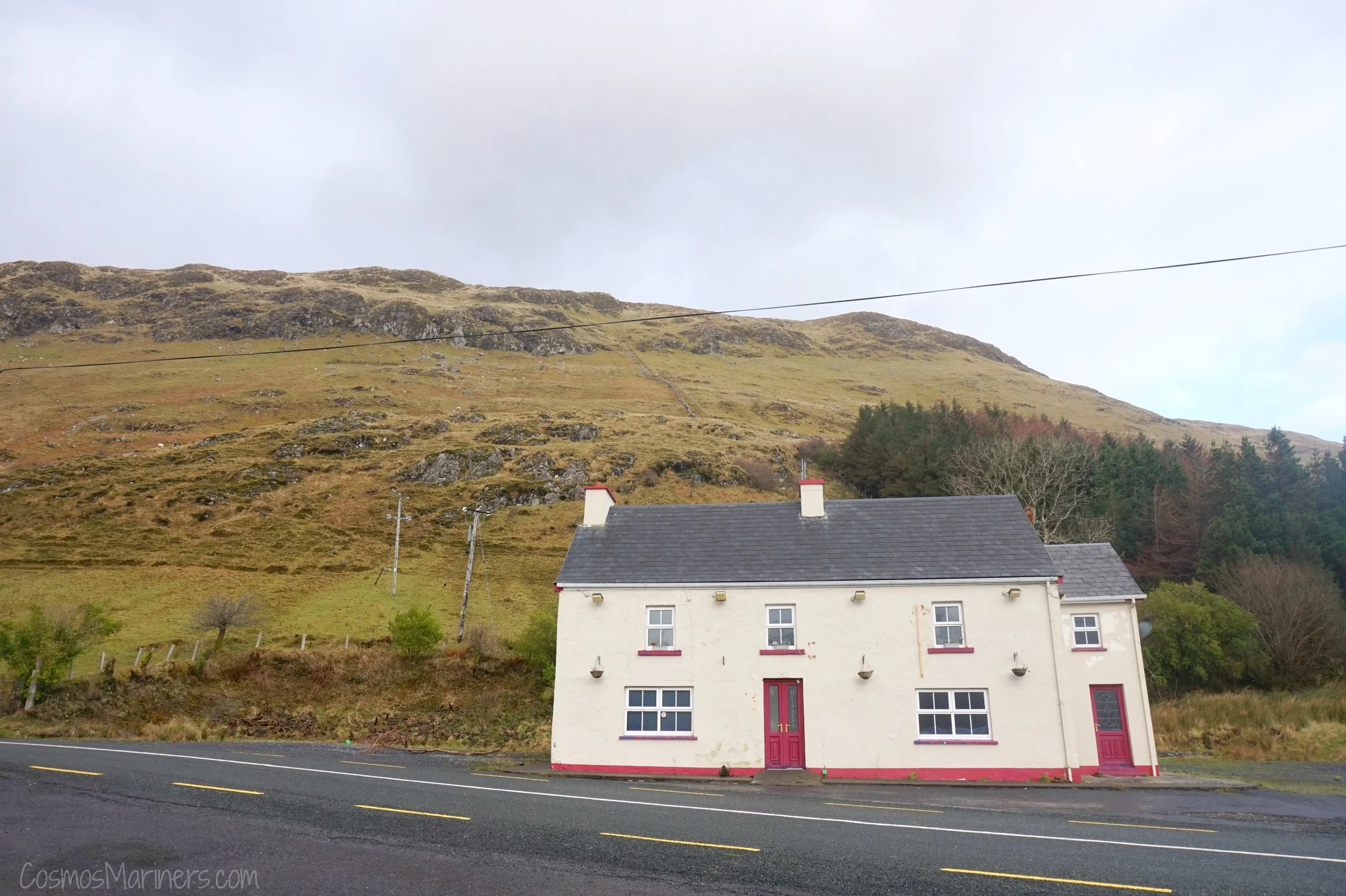
A picturesque house in Connemara
Plan to spend at least half a day to a full day in Connemara.
Connemara is stunning and is well worth a half day--or more, if you've got it--out of Galway.
Make sure to plan plenty of time to stop and take pictures because every turn in the road is a new kind of gorgeous.
Fill up your rental car before you leave Galway.
The Connemara region isn’t so remote as to not have any gas stations, but it’s rural enough that you want to do into the experience prepared.
Pack layers.
The Irish weather can shift suddenly anywhere in the country, but the many lakes and mountains of Connemara make for a challenging packing experience.
Down in a valley in the sunshine, you might be okay in short sleeves, but as you hike in the national park, a gust of wind on the higher elevations can quickly chill you.
Having a waterproof outer shell, like a lightweight rain jacket, is important even in the summer as there’s always a chance for a quick rain shower.
For the most impact, do the complete Connemara Loop.
This beautiful 58 mile drive takes you past all of my recommended stops above plus a few more.
It’s a great way to organize your time in Connemara so you can see castles, mountains, and loughs all in one trip.